
|
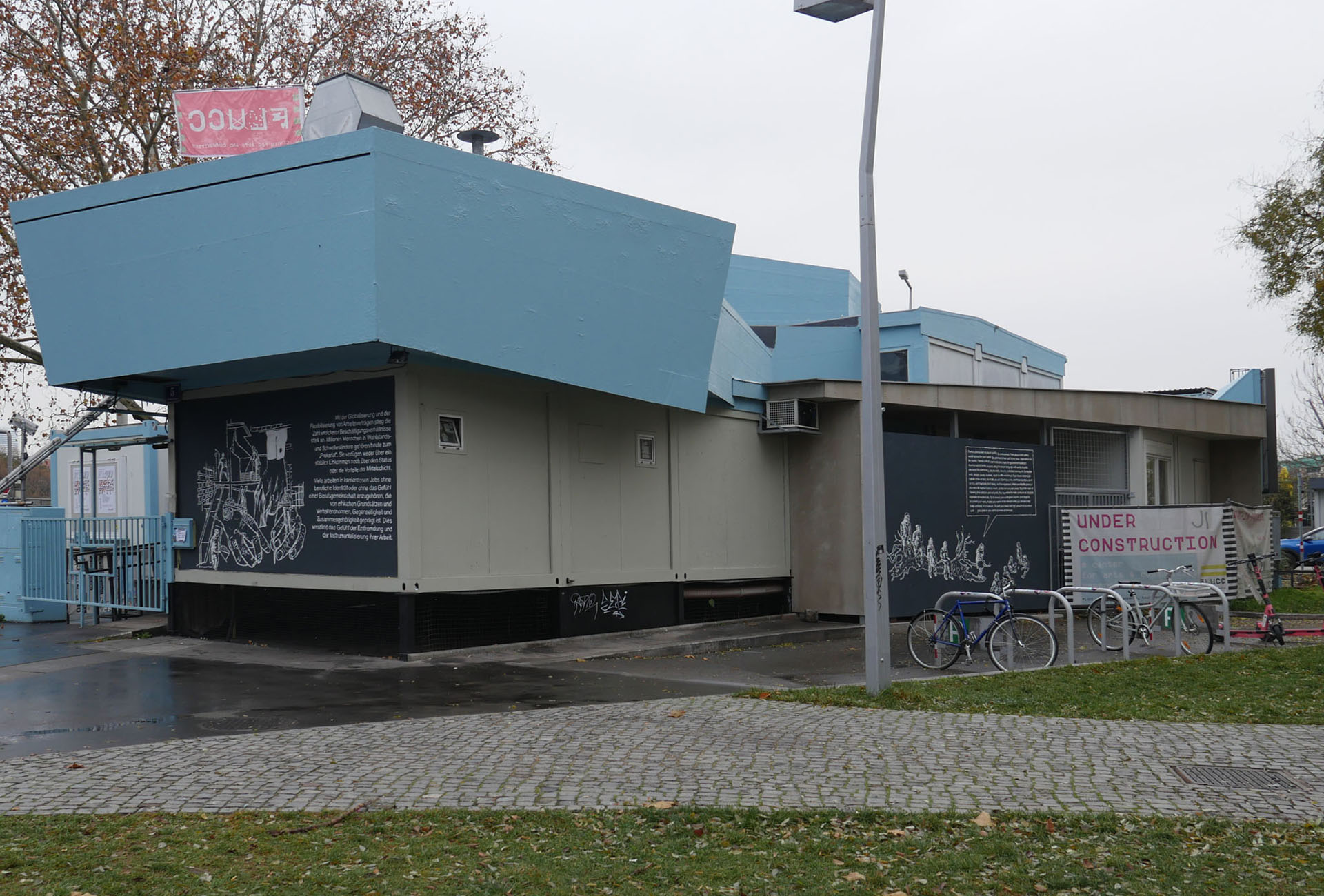
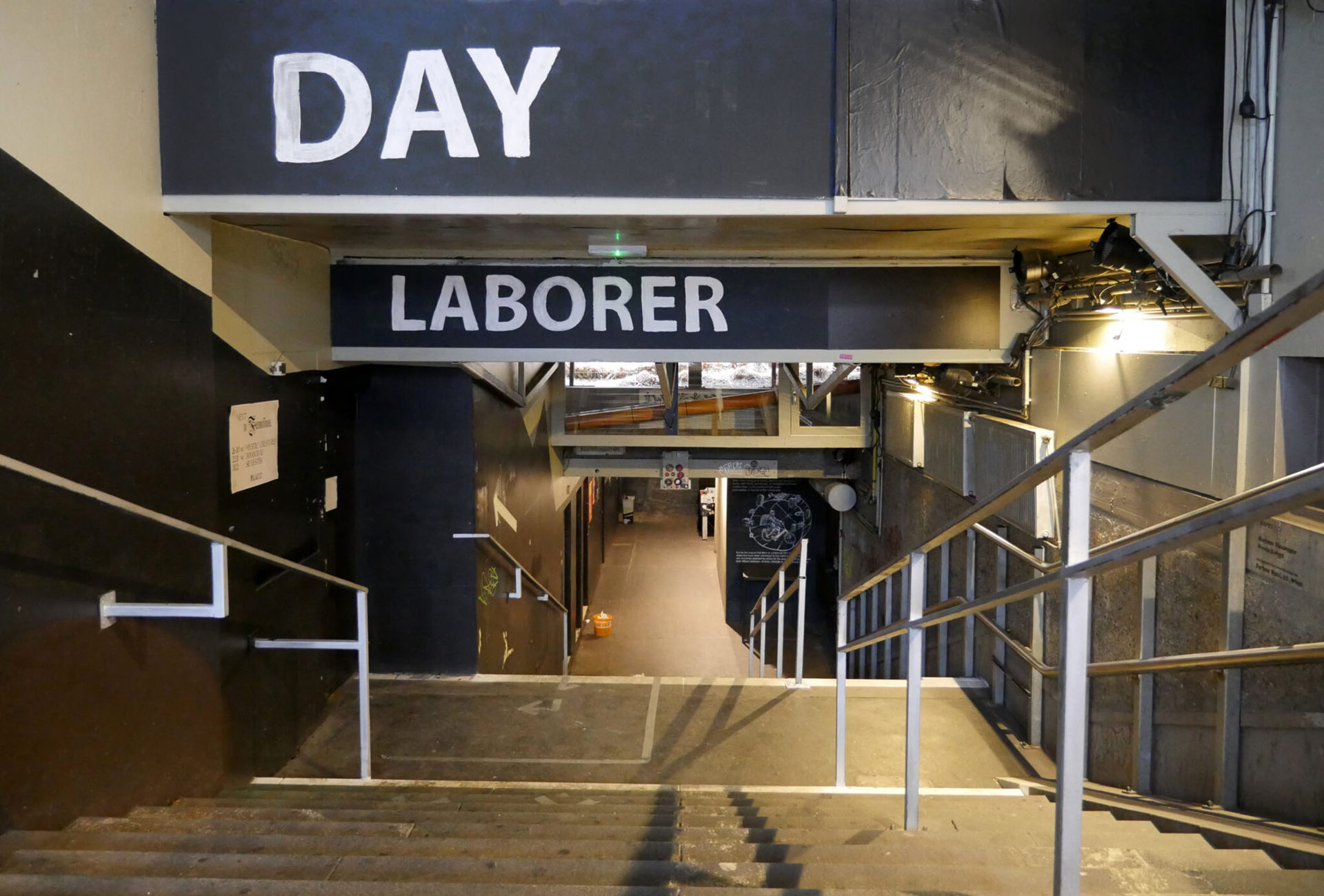
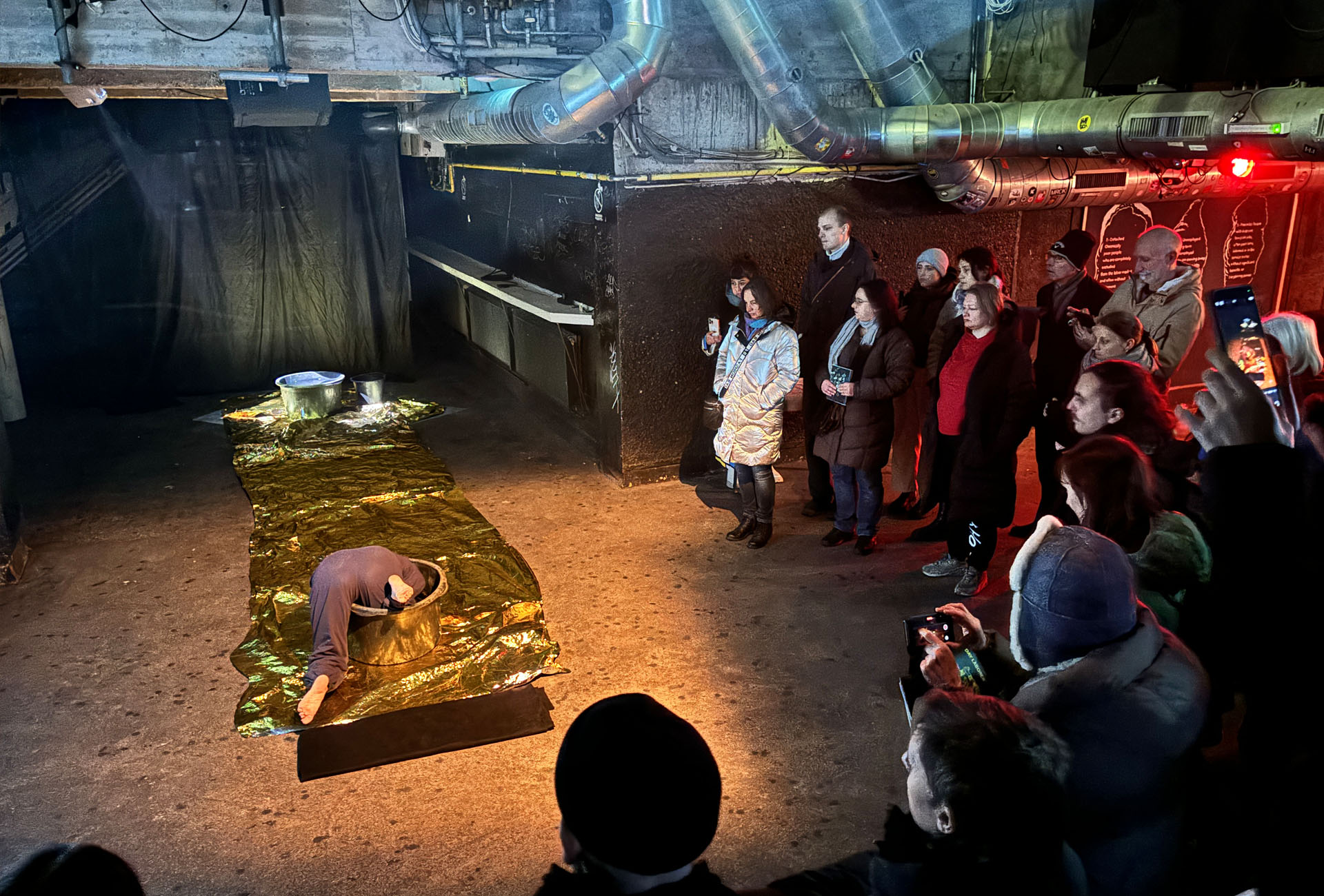
Day Laborer (5 December 2024 - 30 April, 2025) |
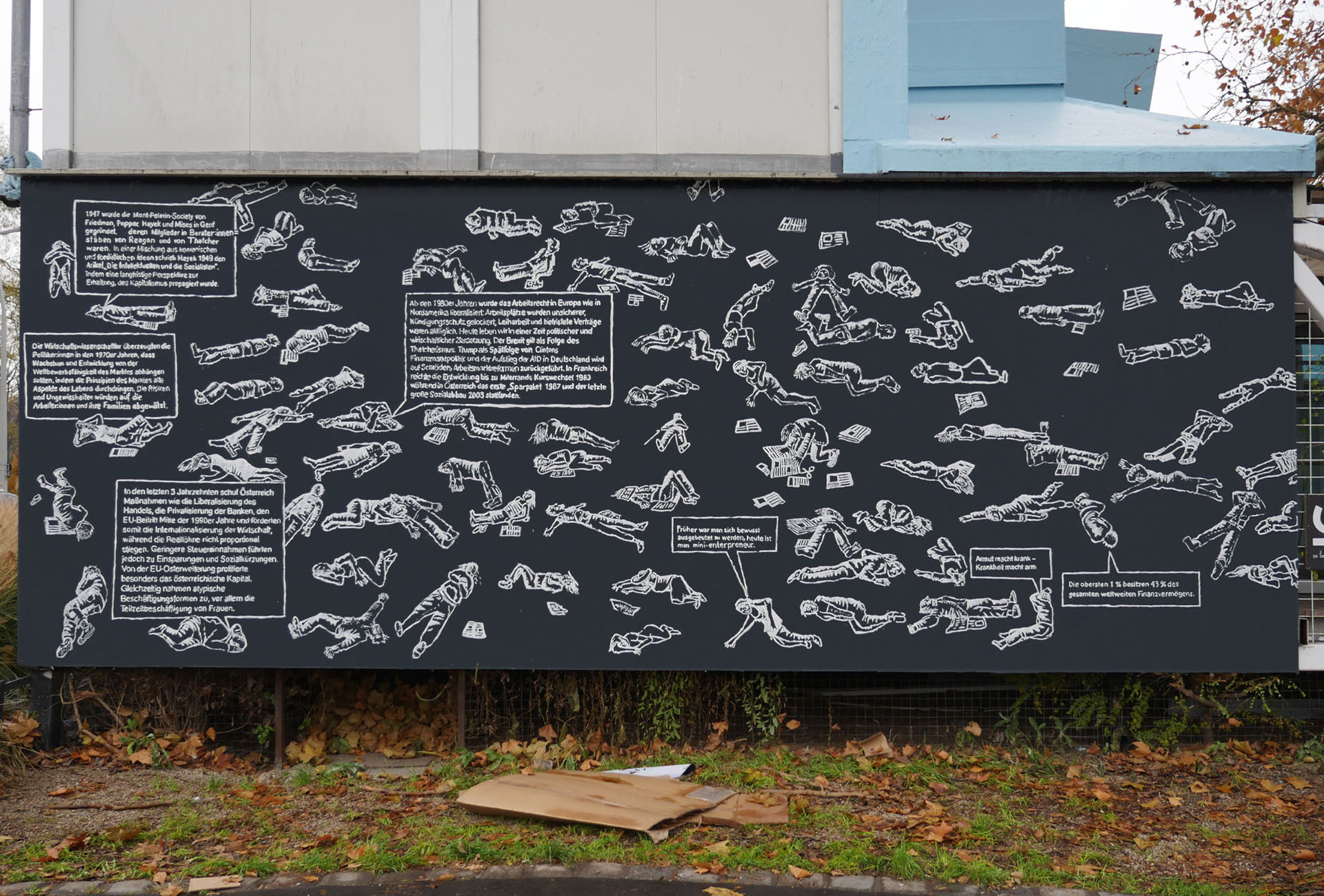
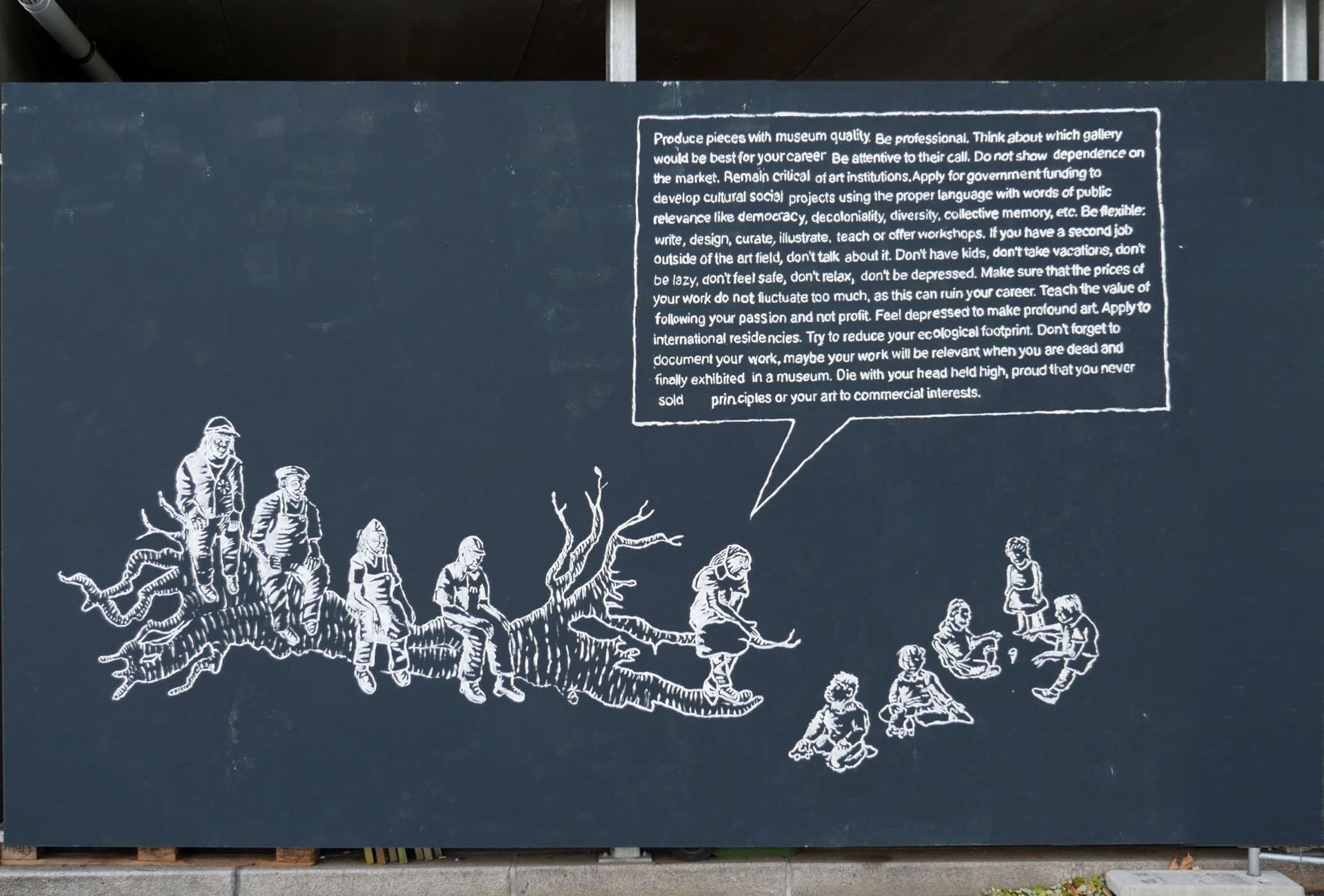
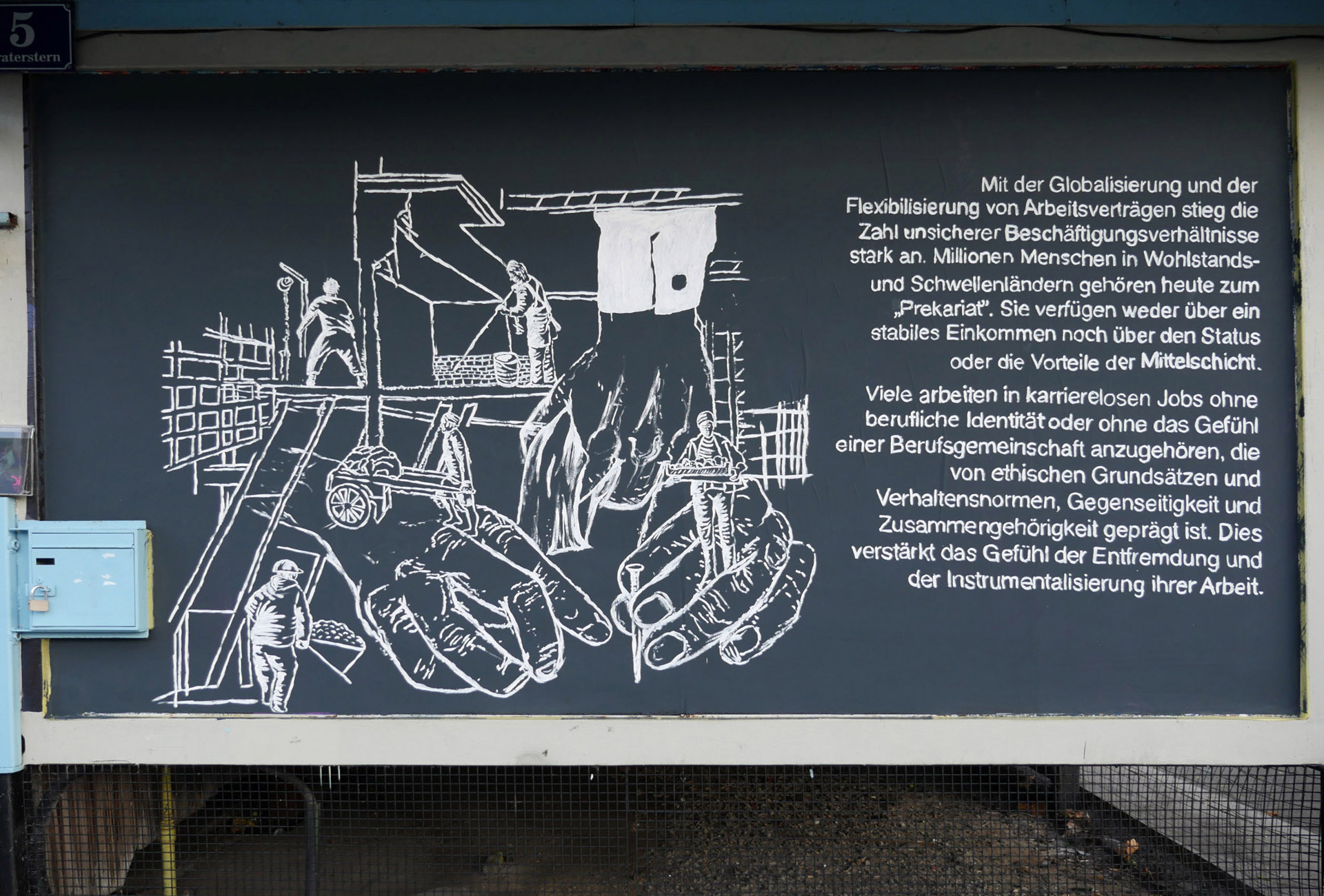
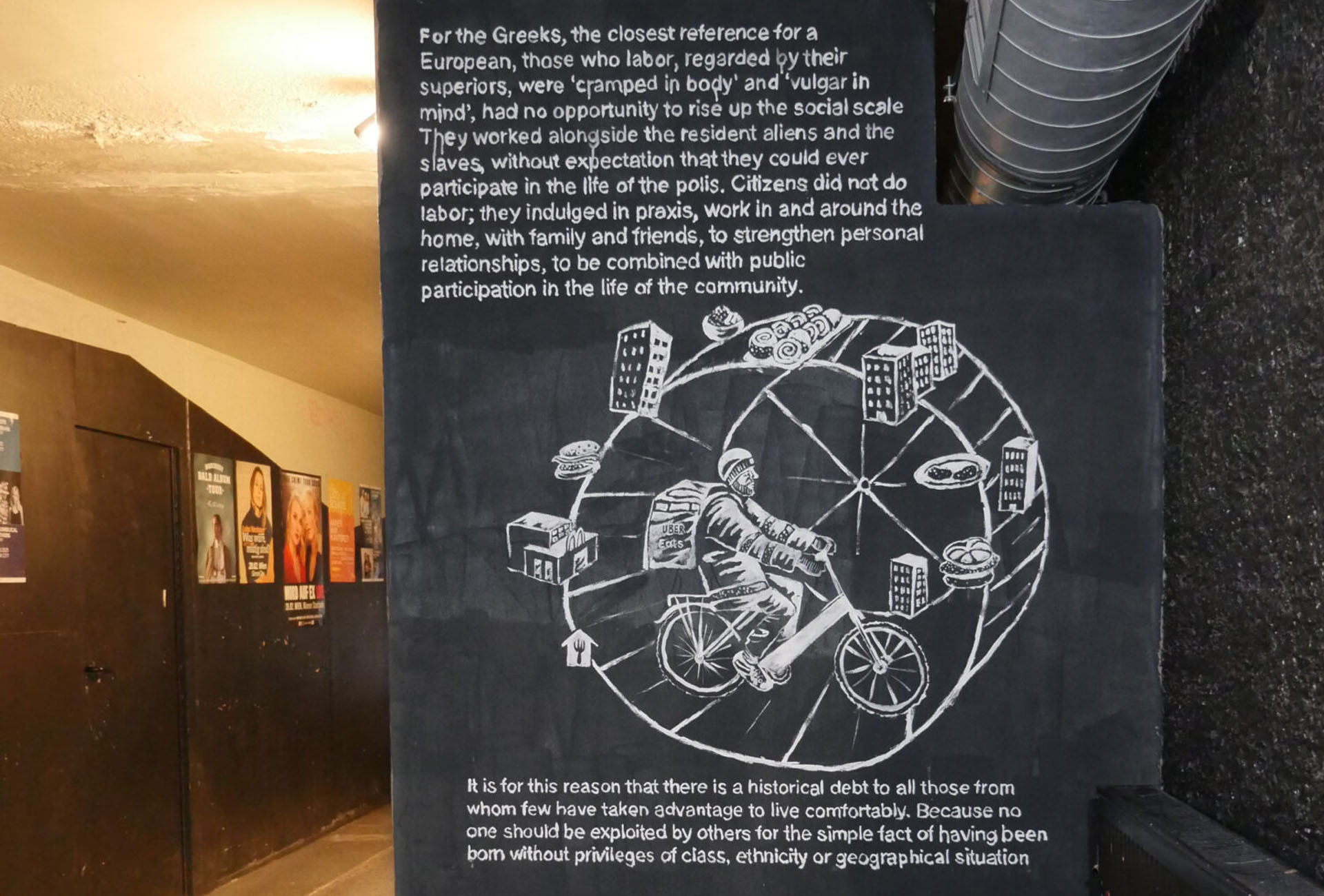
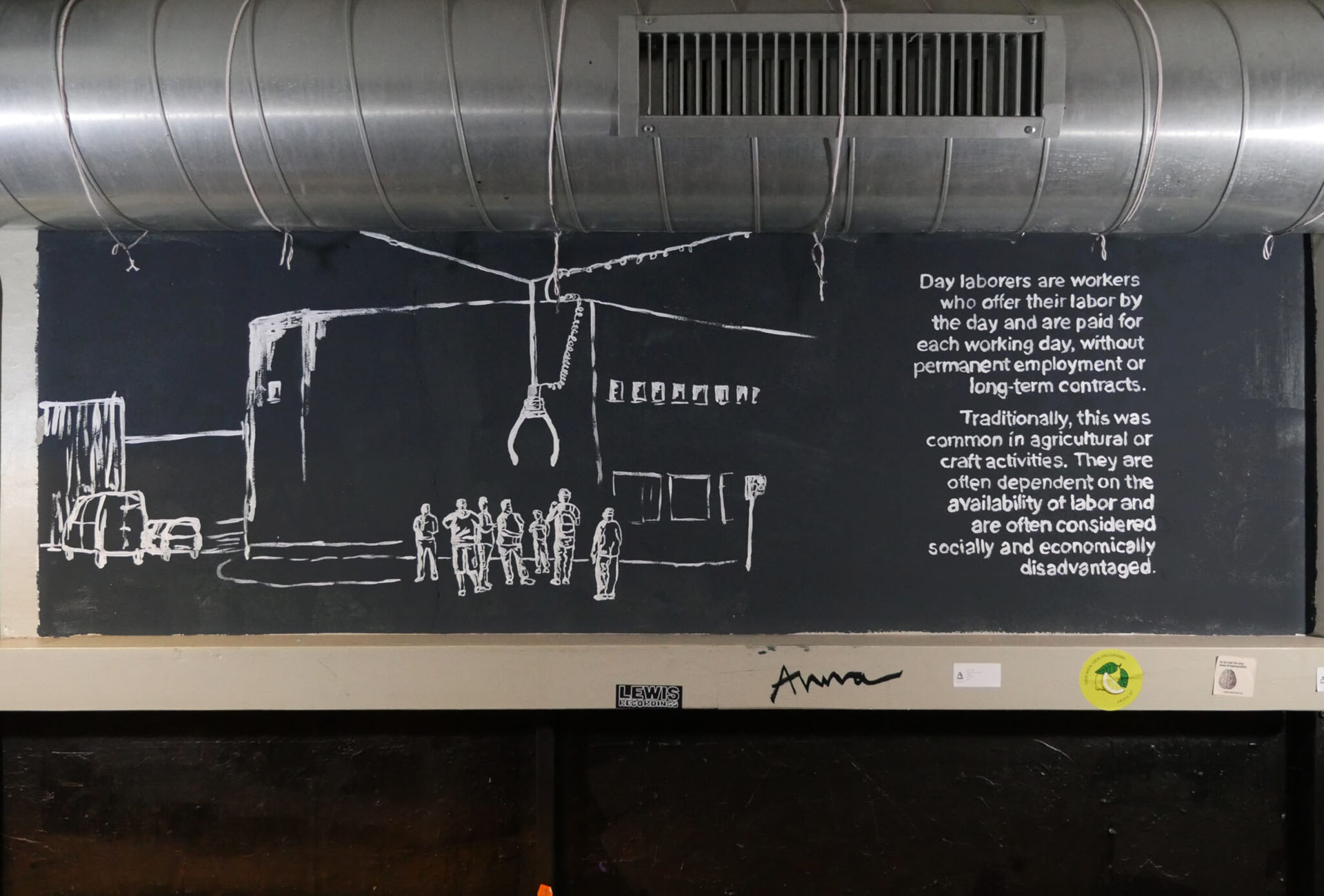
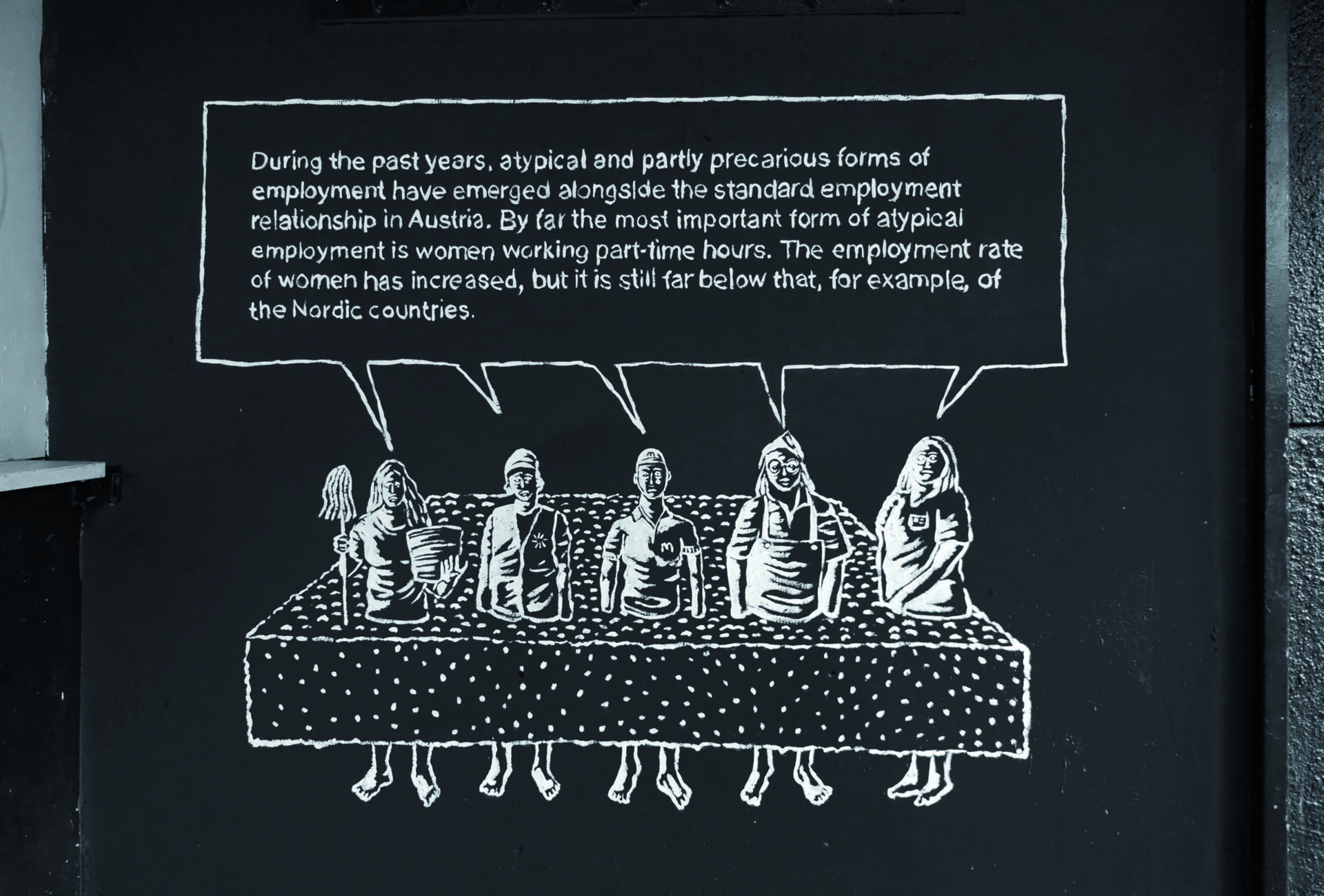
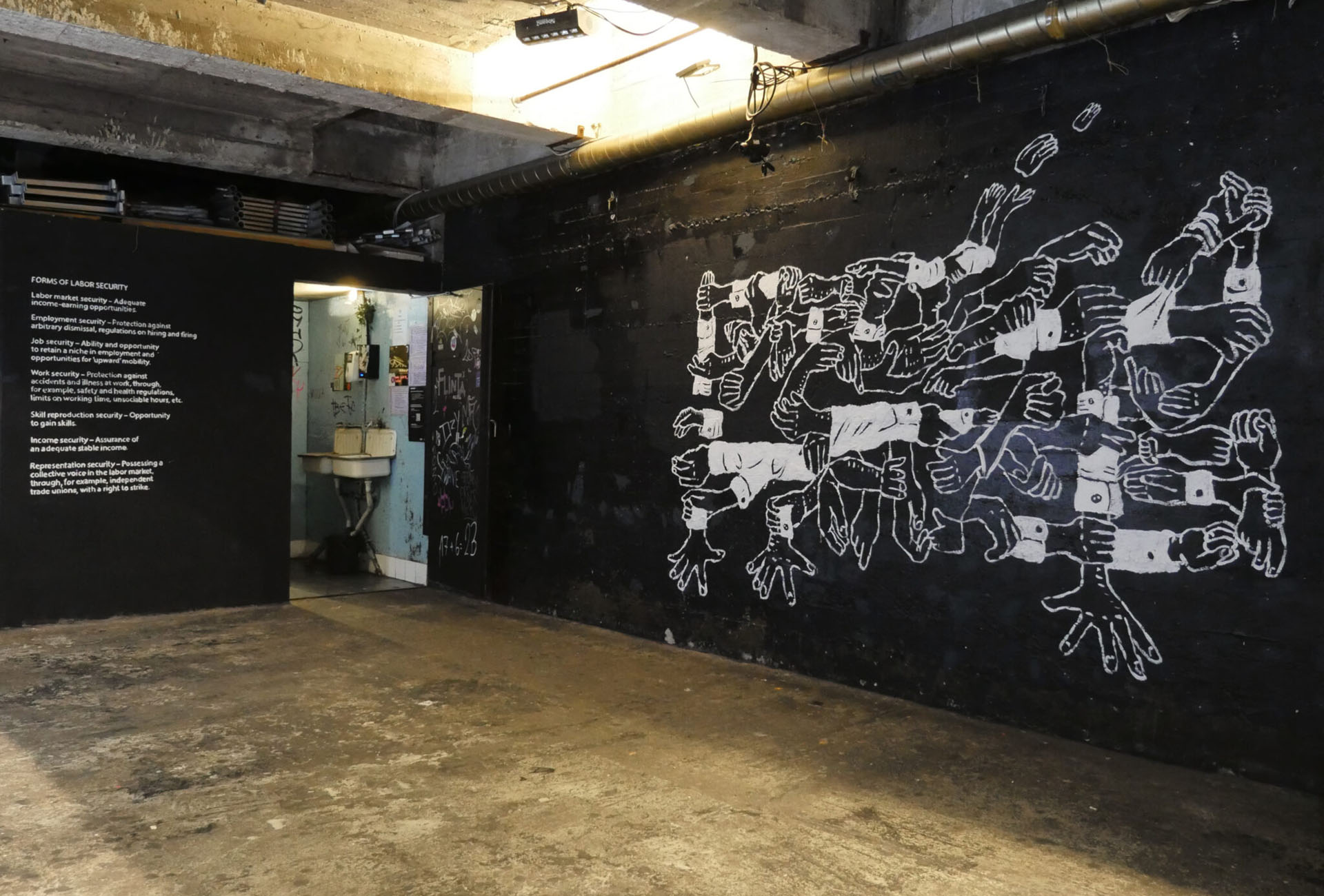
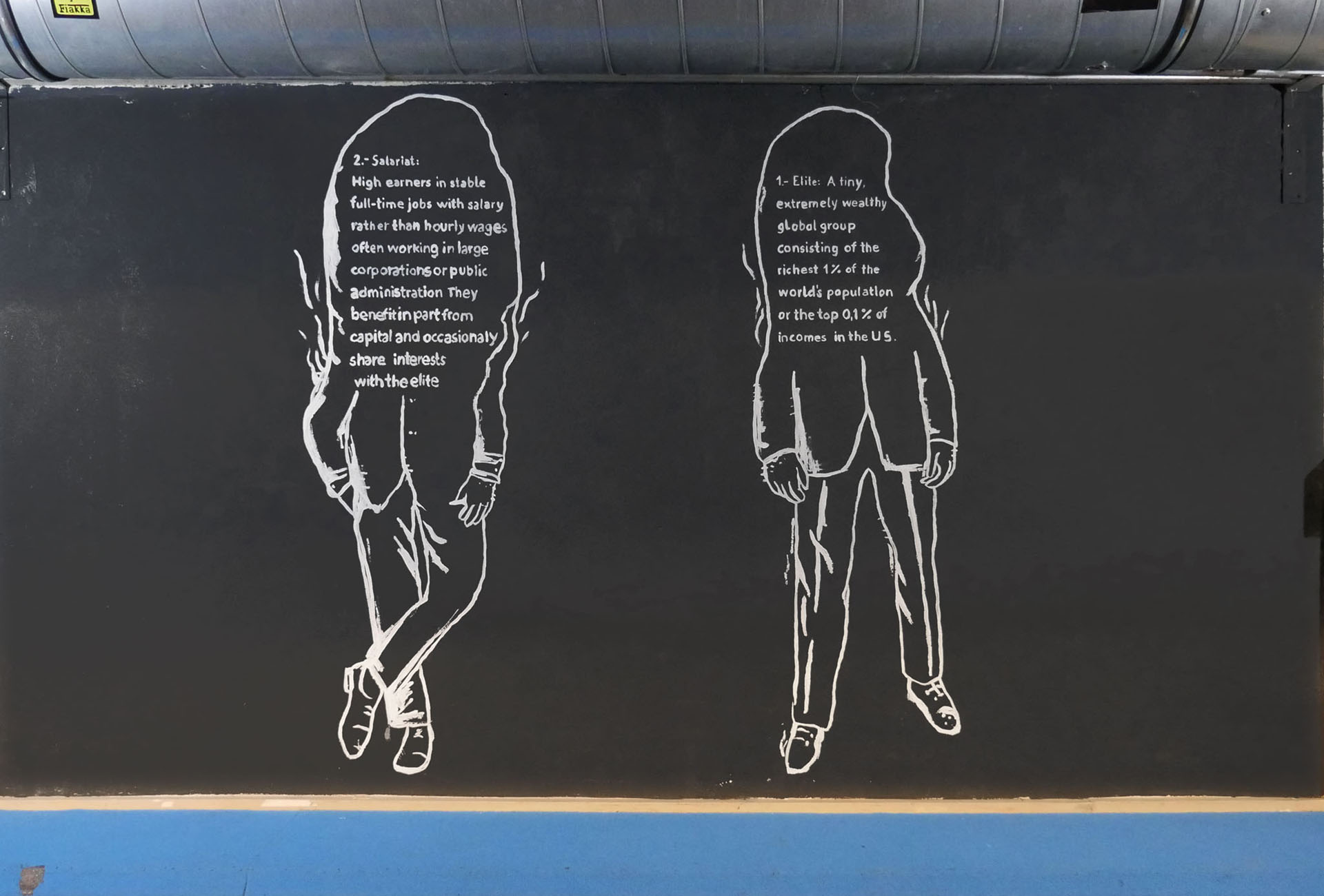
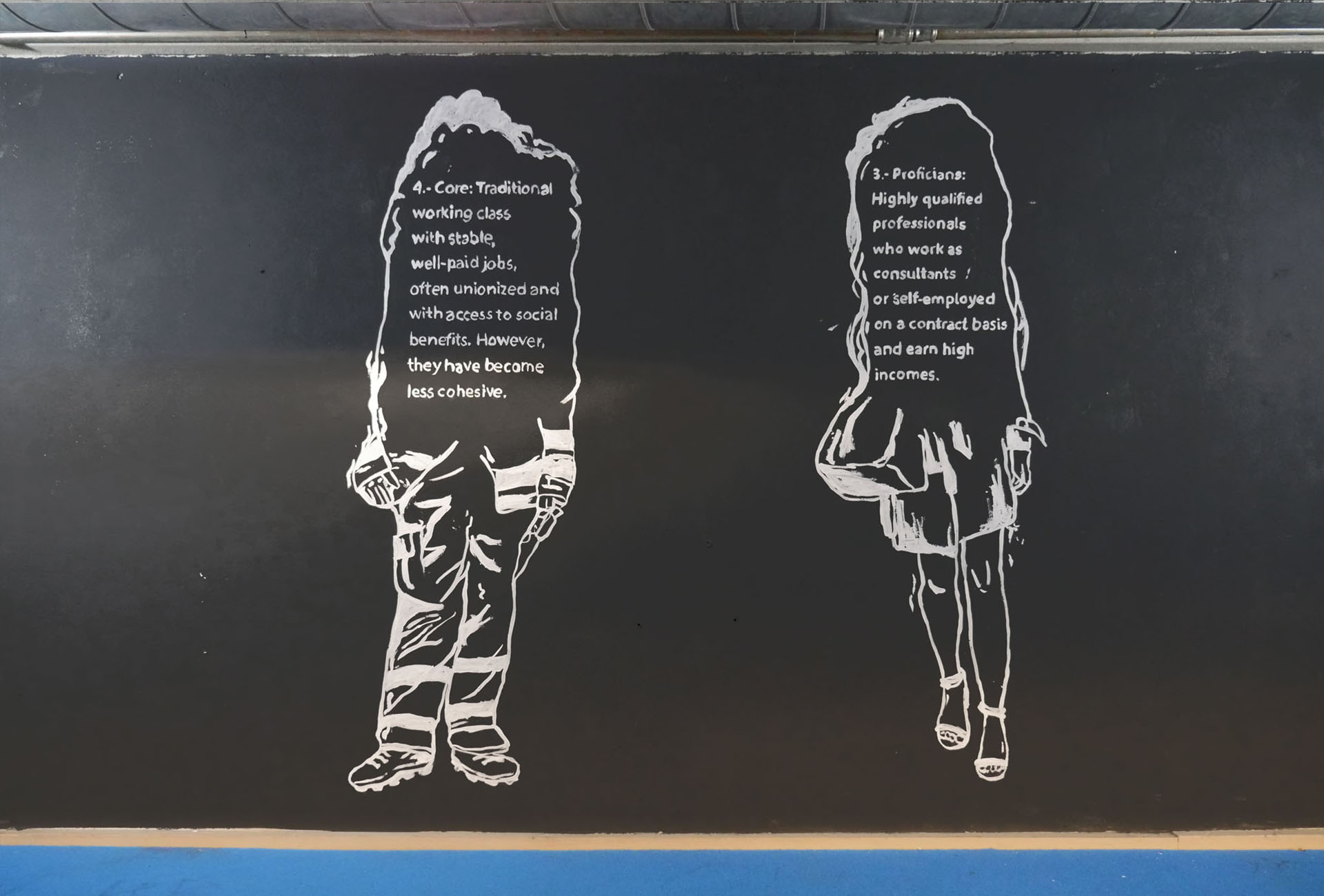
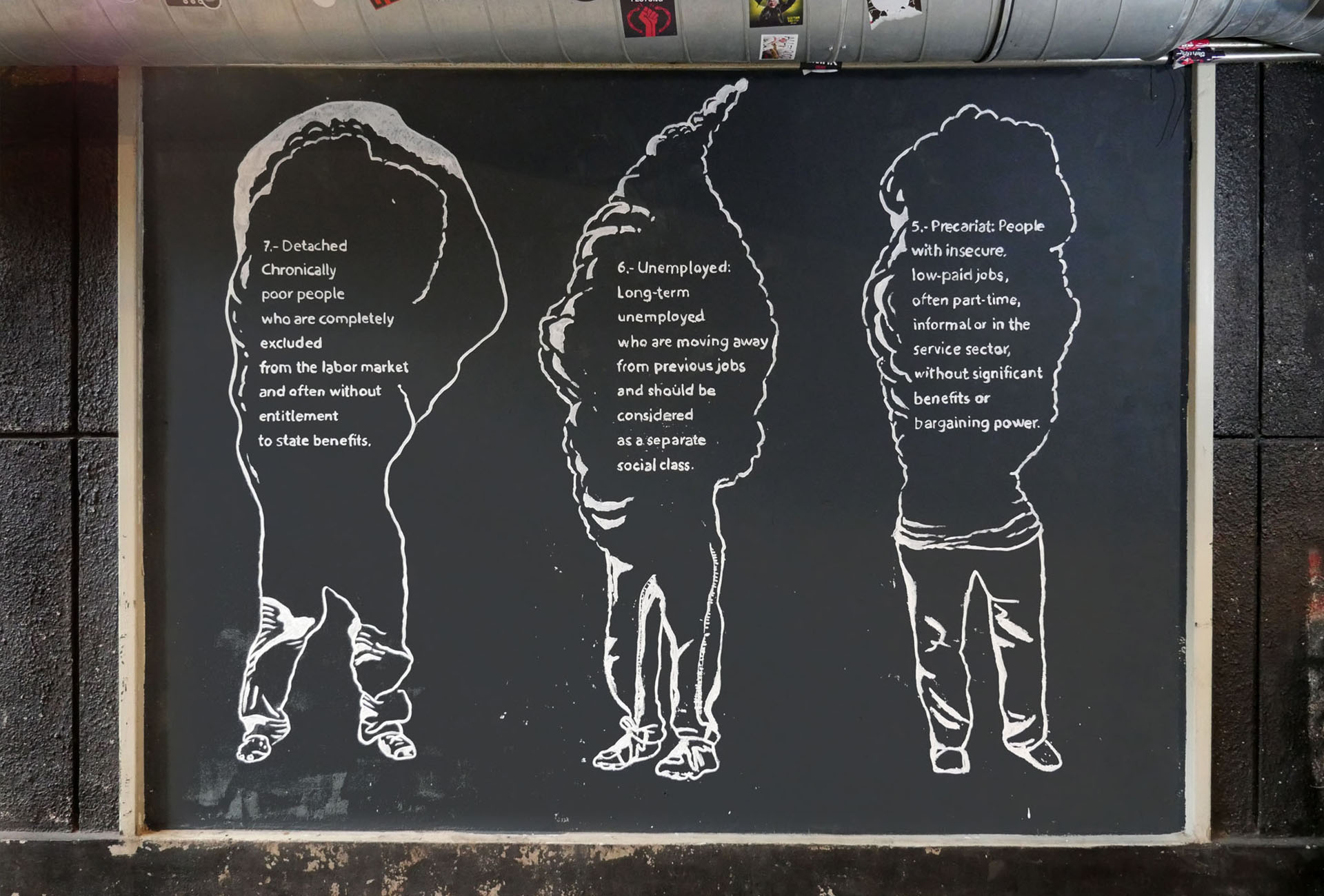
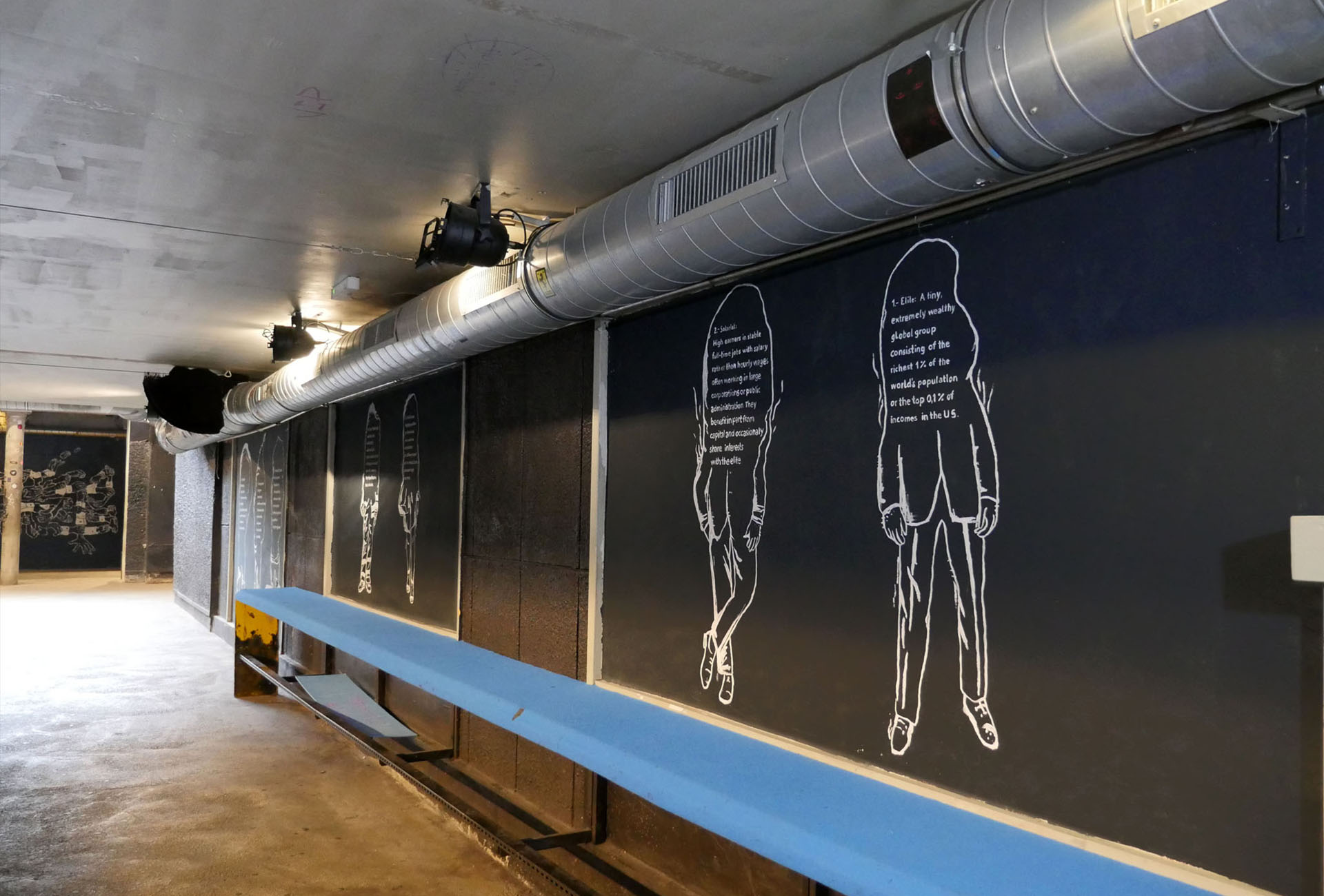
The term “day laborer” is widely associated with people who, due to unemployment, immigration status, race or gender, are forced to work for a day in an underpaid and unprotected job. Traditionally, employers select day laborers at certain unofficial locations and bring them to the workplace, called the “labor line”. This labor model appears to be a past practice that meets both supply and demand for labor. However, currently, “mini-jobs”, “project-based jobs” or “employed on a case-by-case basis” are indicative of this type of employment. This concept favors employers’ profits, but leaves employees without additional benefits such as social security. A lack of opportunities for advancement, repetitive tasks or physically demanding jobs with relatively low wages requires extreme short-termism. The day laborer concept had an impact on other work models. |
   |
   |
   |
   |
   |
   |
   |